

BELLVA – Most business leaders focus heavily on numbers, targets, sales performance, and operational efficiency. While those factors are important, there is one asset that often determines whether a company grows or struggles: its people.
The reality is that modern employees operate under constant pressure. Every day brings new deadlines, tighter competition, endless meetings, and increasing expectations. Even the most talented teams can eventually lose momentum when they spend months working in the same environment without an opportunity to recharge.
This is exactly why more companies are turning to corporate travel services as part of their long-term business strategy.
Corporate travel is often misunderstood as nothing more than a company vacation. In reality, it is one of the most effective ways to improve employee engagement, strengthen teamwork, and create a healthier workplace culture. When planned properly, a corporate retreat can generate benefits that continue long after employees return to their desks.
Many organizations discover that a few days outside the office can achieve something that months of meetings and internal workshops often fail to accomplish.
One of the biggest advantages of corporate travel is its ability to improve employee retention. People naturally want to work for organizations that appreciate their contributions. Employees who feel valued are more likely to stay loyal to the company and continue giving their best effort.
When management invests in annual gatherings, team retreats, or incentive trips, employees see it as a sign that the company genuinely cares about their well-being. This sense of appreciation creates stronger emotional connections between staff and the organization. As a result, companies often experience lower turnover rates and higher employee satisfaction.
Beyond retention, corporate travel also helps solve one of the most common challenges in growing organizations: communication gaps between departments.
In many companies, teams become trapped inside their own silos. Marketing talks to marketing. Finance talks to finance. Operations focus only on operations. Over time, these barriers create misunderstandings and reduce collaboration.
A corporate retreat changes that dynamic completely.
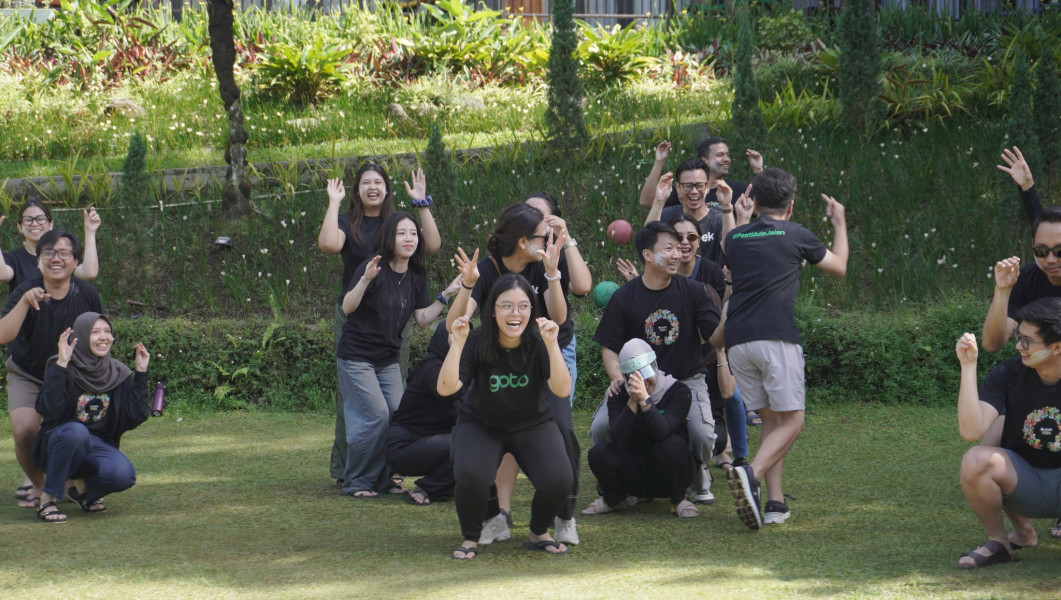
When employees share activities, meals, games, and experiences outside the workplace, formal hierarchies begin to disappear. Conversations become more natural. Relationships become stronger. Employees start seeing one another as teammates rather than simply coworkers from different departments.
The impact is often noticeable immediately after the event. Communication becomes smoother, collaboration improves, and project execution becomes more efficient.
Another reason why companies increasingly rely on professional corporate travel services is the complexity of organizing large-scale events.
Planning transportation for dozens or even hundreds of participants is not a simple task. Neither is arranging accommodations, managing schedules, coordinating meals, handling registrations, and ensuring participant safety throughout the entire event.
Many companies initially believe they can handle everything internally. However, they soon discover that organizing a corporate retreat requires significant time and resources. Internal committees become overwhelmed, administrative staff experience additional stress, and important operational responsibilities are often neglected.
This is where professional travel organizers provide tremendous value.
Experienced corporate travel providers manage every logistical detail, allowing management teams to focus on business priorities. Instead of spending weeks coordinating hotel bookings or transportation schedules, company leaders can concentrate on achieving strategic goals while experts handle the event execution.
Interestingly, hiring a professional corporate travel organizer can also save money.
At first glance, some companies assume that managing events independently is the cheaper option. In practice, the opposite is often true.
Professional travel companies usually maintain strong relationships with hotels, resorts, transportation providers, and activity operators. These partnerships allow them to negotiate special rates that individual companies rarely have access to.
As a result, businesses frequently receive better accommodations, improved facilities, and more comprehensive services while staying within budget. The combination of efficiency and cost savings makes professional event management a smart financial decision.
Of course, choosing the right corporate travel partner is critical.
A successful retreat depends heavily on the quality of the organizer behind it. Before selecting a provider, companies should carefully review the vendor's experience, business credentials, safety standards, and client portfolio.
A reliable travel company should operate legally, provide transparent pricing, and demonstrate a proven track record of managing corporate events. Reviews and testimonials from previous clients can offer valuable insights into service quality and operational reliability.
Safety should also remain a top priority. Every activity, especially outdoor programs, must be supported by clear safety procedures and access to emergency assistance when necessary.
Once the right travel partner has been selected, the next step is choosing the ideal destination.
Indonesia offers countless options for corporate retreats, but several locations consistently remain favorites among companies.
Lembang and the greater Bandung area continue to attract organizations seeking a combination of accessibility, beautiful scenery, and excellent meeting facilities. The cool climate and large selection of resorts make the region ideal for team-building activities and company gatherings.
Sentul and Bogor are also popular choices, particularly for companies based in Jakarta. Their proximity to the capital allows participants to enjoy a refreshing change of environment without spending excessive time on the road.
For organizations focused on leadership development and outdoor adventure, Cikole and Pangalengan offer unique opportunities. Activities such as rafting, forest exploration, and team challenges help participants build resilience, trust, and problem-solving skills in ways that traditional office training cannot replicate.
Meanwhile, Bali remains the gold standard for corporate incentive travel. Destinations such as Nusa Dua and Ubud provide world-class facilities, luxurious accommodations, and an atmosphere perfectly suited for executive retreats and strategic planning sessions.
However, selecting the destination is only one part of the equation.
The true success of a corporate retreat depends on how well the entire experience is designed.
This is where Bellva Adventure Indonesia brings a significant advantage.
Rather than simply arranging transportation and accommodations, Bellva Adventure focuses on creating programs that align with specific business objectives. Every activity is designed with a purpose, whether it is improving communication, strengthening leadership skills, increasing collaboration, or boosting employee morale.
The company manages logistics through a centralized system, ensuring every detail runs smoothly from departure until participants return home. This integrated approach minimizes confusion, reduces administrative burden, and allows clients to enjoy a seamless experience.
Bellva Adventure also provides experienced facilitators who understand group dynamics and organizational development. Their expertise helps transform ordinary outdoor activities into meaningful learning experiences that support long-term business growth.
Of course, every investment should deliver measurable results.
The success of a corporate travel program can be evaluated through employee feedback, productivity metrics, attendance records, and workplace behavior. Many companies report improved morale, stronger teamwork, lower stress levels, and higher project performance following a well-executed retreat.
Employees often return to work feeling refreshed, motivated, and more connected to their colleagues. These positive changes contribute directly to a healthier organizational culture and stronger overall business performance.
At the end of the day, corporate travel is not about taking employees away from work. It is about helping them return to work with renewed energy, stronger relationships, and a clearer sense of purpose.
Companies that understand this principle consistently outperform those that view employee development as an expense rather than an investment.
The most successful organizations know that productivity begins with people. And sometimes, the best way to move a business forward is to take the team outside the office and give them the opportunity to reconnect, recharge, and grow together.
That is why corporate travel services have become far more than a trend. They have become an essential investment for companies that want to build stronger teams, healthier workplaces, and sustainable business growth.