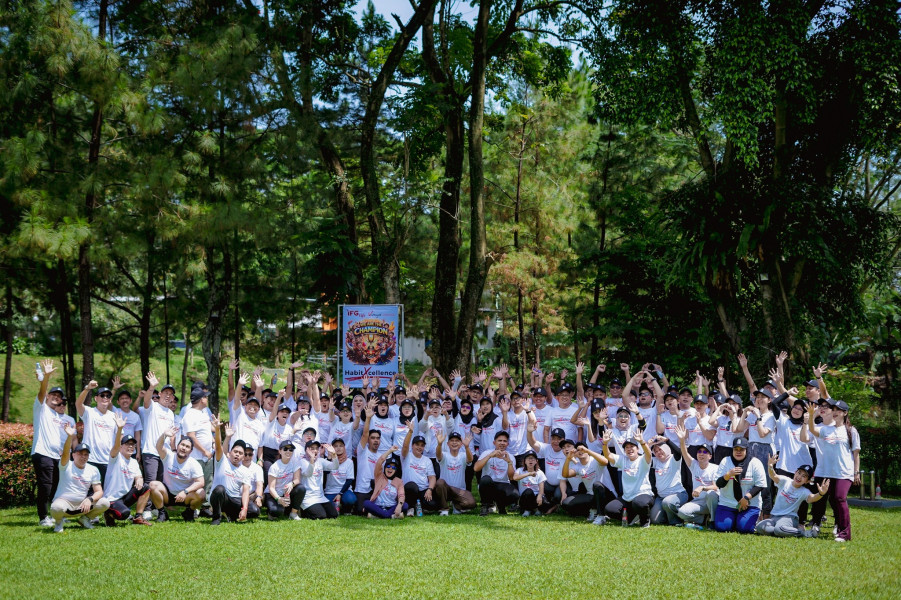


BELLVA – Many companies in Jakarta still follow a familiar pattern every year. Once a major target has been achieved or the fiscal year is coming to a close, management starts planning company outings, employee gatherings, or short getaways.
Teams travel to popular destinations, spend a few days away from the office, enjoy recreational activities, and then return to work.
The problem is that most of these events create only temporary excitement.
Employees may feel refreshed for a few days, but the deeper organizational challenges often remain unchanged. Communication gaps still exist. Collaboration problems continue to slow down projects. Departments operate in silos. Leadership struggles to align teams around common objectives.
This is exactly why more organizations are shifting their focus from traditional company outings to strategic corporate retreats.
A well designed corporate retreat is not simply a reward for employees. It is a business investment that helps organizations build stronger cultures, improve communication, and create high performing teams capable of delivering long term results.
As workplace expectations continue to evolve, business leaders are realizing that sustainable growth requires more than operational efficiency. It requires people who trust one another, communicate effectively, and share a common vision.
The most successful companies understand that high performance is not created inside meeting rooms alone.
It is built through meaningful experiences that strengthen human connections.
Daily operations often leave employees trapped in a cycle of deadlines, meetings, reports, and performance targets. While these activities are essential, they can also create mental fatigue and reduce creativity over time.
When teams spend months operating under constant pressure, productivity may appear stable on the surface. However, hidden issues gradually emerge.
Employees become less engaged.
Cross departmental collaboration becomes difficult.
Innovation slows down.
Motivation declines.
A corporate retreat provides something that traditional office environments cannot offer.
It creates space.
Space to think.
Space to reflect.
Space to reconnect with colleagues beyond job titles and organizational hierarchies.
By temporarily stepping away from daily responsibilities, employees gain a broader perspective on both their individual contributions and the company's larger mission.
This shift in environment often becomes the catalyst for breakthrough conversations that rarely happen within office walls.
Many executives are surprised to discover that some of their most valuable strategic discussions occur during informal moments at retreats rather than inside formal boardrooms.
Conversations over breakfast, team challenges, outdoor activities, and group reflections frequently reveal insights that improve communication and strengthen workplace relationships.
The modern workplace has become increasingly digital.
Teams collaborate through emails, messaging platforms, project management tools, and video conferences. While technology enables efficiency, it cannot fully replace genuine human interaction.
Employees who communicate regularly online may still lack personal trust and emotional connection.
Without those foundations, collaboration often becomes transactional rather than collaborative.
Corporate retreats address this challenge by bringing people together in a more authentic setting.
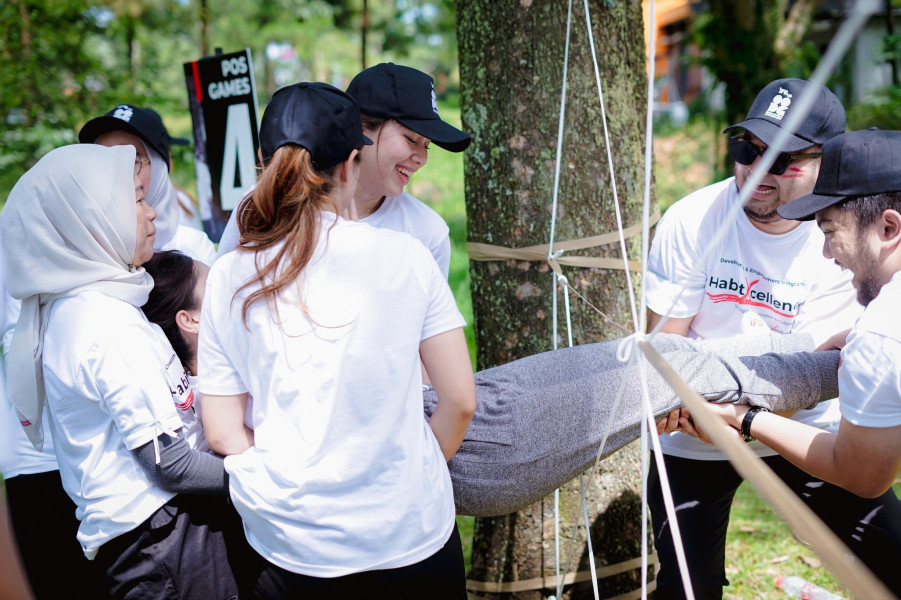
Through carefully designed team experiences, employees learn how their colleagues think, solve problems, manage stress, and contribute to shared goals.
These experiences help eliminate assumptions and create stronger interpersonal relationships.
Trust grows naturally when people face challenges together.
Whether participating in strategic workshops, outdoor problem solving exercises, team building activities, or collaborative projects, employees develop a deeper understanding of one another's strengths and perspectives.
This trust later translates into improved communication back at work.
Teams become more willing to share ideas, offer feedback, and support each other during difficult projects.
One of the most overlooked benefits of a corporate retreat is its ability to strengthen organizational alignment.
Many employees understand their daily responsibilities but struggle to see how their work contributes to broader company objectives.
As organizations grow, this disconnect can become increasingly problematic.
Departments may pursue individual priorities without fully understanding the larger business strategy.
A corporate retreat creates an opportunity to reconnect employees with the company's vision, mission, and long term goals.
Leadership teams can communicate strategic priorities in a more engaging and memorable way.
Instead of presenting endless slides in a conference room, leaders can facilitate meaningful discussions that encourage participation and ownership.
Employees who understand the purpose behind their work are significantly more likely to remain motivated and committed.
When people feel connected to a larger mission, they approach challenges differently.
They become more proactive.
They take greater responsibility.
They contribute ideas that drive innovation and growth.
This alignment is a defining characteristic of every high performing team.
Another reason organizations invest in corporate retreats is to accelerate leadership development.
Future leaders rarely emerge through technical expertise alone.
They develop through experiences that challenge their communication skills, decision making abilities, adaptability, and emotional intelligence.
Retreat environments naturally reveal leadership potential.
Individuals who may appear quiet in the office often step forward during team challenges.
Others demonstrate exceptional problem solving skills, strategic thinking, or the ability to motivate colleagues under pressure.
These observations provide valuable insights for managers seeking to identify and develop future leaders.
Leadership workshops, collaborative exercises, and experiential learning activities can further strengthen these capabilities.
Rather than relying exclusively on classroom style training, participants learn by doing.
This practical approach creates stronger retention and more meaningful personal growth.
Employee engagement remains another critical reason why companies prioritize corporate retreats.
According to numerous workplace studies, engaged employees consistently outperform disengaged employees across multiple performance indicators. Higher engagement levels are associated with increased productivity, stronger customer satisfaction, improved retention, and better financial results.
Yet engagement cannot be mandated.
It must be cultivated.
Employees want to feel valued, heard, and connected.
Corporate retreats demonstrate that organizations are willing to invest in their people beyond routine compensation and benefits.
When employees experience meaningful development opportunities combined with enjoyable shared experiences, they often return to work with renewed energy and commitment.
The positive effects extend far beyond the retreat itself.
Teams frequently maintain stronger relationships, improved morale, and greater collaboration for months after the event concludes.
The most effective corporate retreats share one important characteristic.
They are designed with purpose.
Successful organizations do not plan retreats simply because other companies are doing it.
Instead, they begin by identifying specific business objectives.
Some retreats focus on improving communication.
Others prioritize strategic planning, culture development, leadership growth, innovation, or team integration following organizational changes.
Every activity should support a clear outcome.
Outdoor challenges, problem solving exercises, strategic workshops, leadership sessions, and collaborative projects become significantly more valuable when connected to organizational goals.
Experienced facilitators and event professionals can help organizations create programs that balance engagement, learning, and measurable impact.
The future of work will continue to demand adaptability, resilience, collaboration, and innovation.
Organizations that invest in these capabilities today will be better positioned to succeed tomorrow.
High performing teams are not built by accident.
They are intentionally developed through experiences that strengthen trust, communication, leadership, and alignment.
A corporate retreat offers one of the most effective environments for achieving these outcomes.
Rather than viewing retreats as an expense, forward thinking organizations recognize them as strategic investments in human capital.
The return on that investment appears in stronger collaboration, higher engagement, improved productivity, and a culture capable of sustaining long term growth.
In a world where talent remains the ultimate competitive advantage, building exceptional teams has never been more important.
And sometimes, the best place to build them is far beyond the office walls.